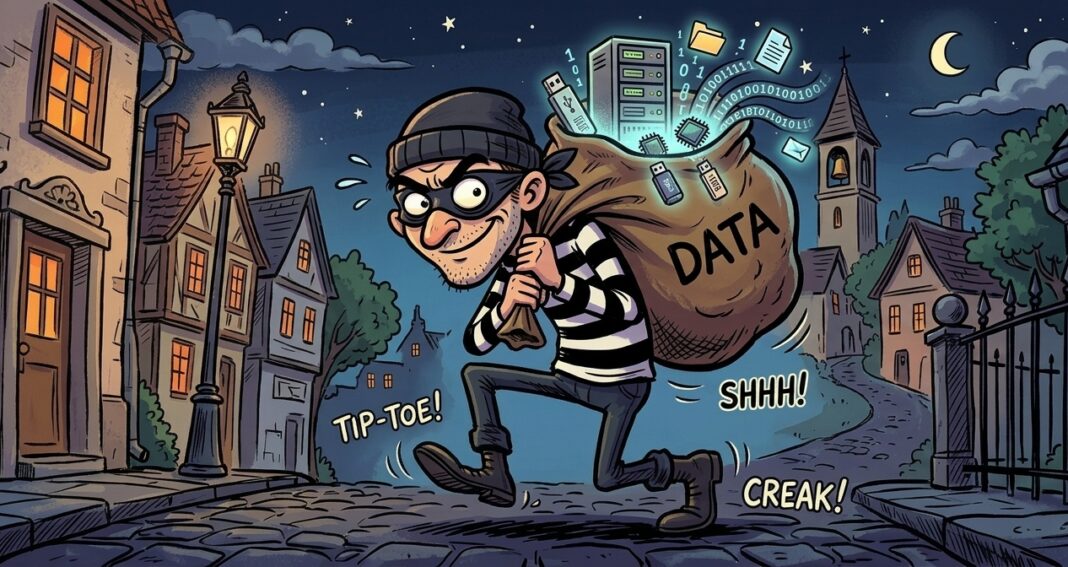
There have been some high-profile cases in the news over the past few years about accusations of plagiarism. Over time governments and universities have developed policies for the integrity of research and scholarship, and plagiarism is research misconduct, not unlike falsifying data or other forms of dishonesty. When credible charges are brought against members of a university community, including faculty and students, an investigation will typically be undertaken to determine potential wrong-doing. Penalties can be severe, ending jobs and even careers for those found to have engaged in misconduct including plagiarism.
Research Misconduct
Professional occupations have ethical standards that define research and scholarly integrity. Universities are no exception as their policies must align with government regulations and with the standards that have been developed by the professional associations of their many disciplines. Research misconduct occurs when accepted standards are not met in several areas.
- Treatment of human subjects. In many places there are government standards about how people are treated who participate in research studies. Misconduct would occur if a faculty member violated rights such as privacy (e.g., told an employer how individual employees responded on a survey), failed to inform people about what was involved included potential risks (e.g., not disclosing likely side effects in a drug study), or failed to take reasonable care to avoid harm.
- Data fabrication. There have been some high-profile cases of people allegedly making up data rather than conducting studies. Perhaps the most well known case is Diederik Stapel, a former social psychology professor who admitted to falsifying his data across many studies. Although fabricating data from scratch is considered misconduct, there are questionable research practices such as HARKing (hypothesizing after results are known) and p-hacking (analyzing data multiple ways to find the best results) that are not misconduct per se, but are strongly discouraged because they undermine the scientific process.
- Exploitive relationships. This is something sometimes seen between faculty and students, where a faculty member might ask a student to do personal favors and give nothing in return. A professor might have a student take the lead on a project and do all the work, but then take credit for the student’s work, even failing to give co-authorship.
- Plagiarism. Plagiarism is a form of theft because it hides the true source of ideas and words.
Plagiarism Is Research Misconduct
To plagiarize is to misrepresent other people’s work as your own. We expect honestly and transparency from our scientists and scholars so that we understand the work and its context. If an idea is presented, we need to know where it came from. Was it a conclusion based on an independent synthesis of evidence? Was it an extension of an idea someone else published? Papers about research studies need to put the study in context. What is the question being addressed and where did that question come from? If I make claims, I should provide existing evidence for those claims. Plagiarism undermines this process because it is a misrepresentation of the facts. If I simply cut/paste the work of others without attribution, there is no way to trace the ideas to understand their origin and development. It harms the author of the stolen work because it fails to give credit for the idea, which for an academic is important for career advancement. Academic success is based in large part on having someone’s work mentioned by others (i.e., cited), and not only is the plagiarizer not giving proper citation, cites that should have gone to the original author might be detoured to the plagiarized work.
The Need for Care
It is not hard to accidentally lift a sentence or two or an idea from a source, so we should all be careful in how we handle other people’s work as we conduct our own. When I do a literature review, I take notes on each source as I read it. Sometimes it is in my own words and sometimes an author’s words say it the best. I have on more than a few occasions in the past started to put a point in my paper from my notes and found myself wondering if those words were mine or the other author’s only to double-check and find that it was a direct quote. You should be careful as you take notes on sources to put quotes and page numbers anywhere you copy verbatim text into your notes. Sometimes I will write a 2-3 sentence quote so I can be careful to avoid saying something in the same way. When writing I can decide to either provide the quote with page number, or to rework the section in my own words and put a citation to where the idea came from. That is, I credit the idea but not the words.
Accidentally lifting one or two sentences is not likely to get you accused of plagiarism, but it does indicate a lack of care. Keep in mind that today plagiarism checkers are commonly used, for example, when you submit a paper to a journal, the manuscript is run through a plagiarism checker which will highlight passages that match published sources. Because plagiarism is research misconduct, it is important for journals to maintain the integrity of what they publish. It is important for all of us to maintain the highest standards of care as we publish our work.
Image generated by Ideogram V3 accessed through BoodleBox.
SUBSCRIBE TO PAUL’S BLOG: Enter your e-mail and click SUBSCRIBE